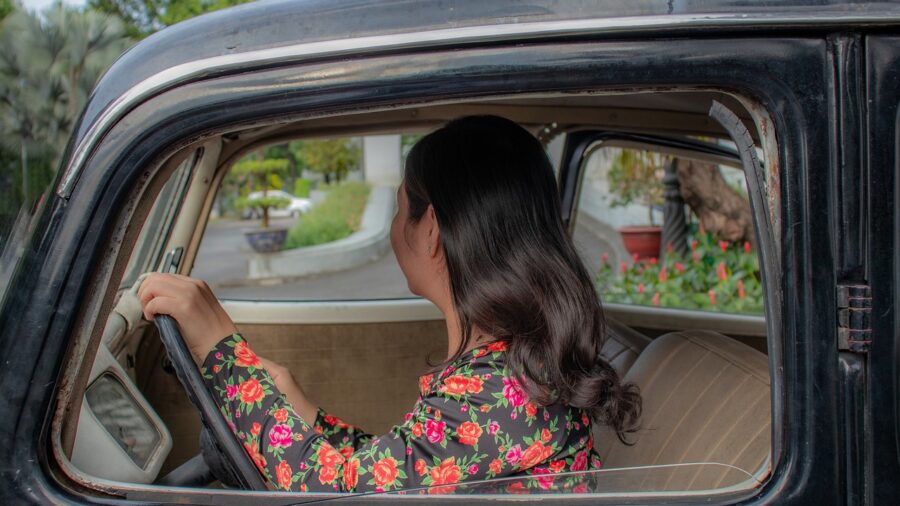
It’s natural to want to save money. Some parents may drive a late model car while their teenager drives an old bomb. But inexperienced drivers are among the riskiest and older cars don’t protect them in a crash as well as newer ones.
Inexperienced drivers tend to drive old cars
The average car in Australia is 11.2 years old, but inexperienced drivers tend to drive cars older than that. These don’t have safety features, such as electronic stability control or airbags, and are less protective in a crash. Some are too small to be considered safe.
US researchers found teen drivers (15-18) were more likely than middle-aged drivers (31-55) to drive vehicles older than 15 years. Regardless of driver age, driving old vehicles is riskier than driving vehicles 5 years old or newer:
- Driving vehicles 6-15 years old had a 19% greater risk of driver death in crashes.
- Driving vehicles 15+ years had a 31% greater risk.
- Each driver assistance technology in the car linked to 6% less risk of driver death.
Inexperienced drivers take more risks in their own car
Young, inexperienced drivers have a higher risk of crashing if they own their own car. In fact, there’s a 30% greater risk of crashing in their first year in their own car, compared to those who borrow the family car:
- They were 2.7 times more likely to crash in the first year of P plates.
- After 3 years, they had 50% increased risk of crashing.
- Even 7 years later, they had a 10% greater risk of crashing in their own cars.
Red P platers are the riskiest drivers
The first month of driving with P-plates is the riskiest time. In the first 12 months, the red P-plater is 33 times more likely to have a crash than a learner.
- Young drivers make up 14% of licence holders but nearly 25% of road deaths.
- Deaths of 17-25 year olds rose by nearly a quarter from the 3-year average in NSW.
Deaths of young drivers, year ending May 2025
|
Age group |
May 2025 |
3-Year average |
Change % |
|
17-25 |
75 |
60.6 |
+24% |
Serious injuries of young drivers, year ending September 2024
|
Age group |
September 2024 |
September 2023 |
Change % |
|
17-25 |
2,084 |
1,937 |
+8% |
- Serious injuries of 17-25 year olds increased by nearly 8% from the year before in NSW.
Learners are among the safest because they are supervised, but must still be declared on the green slip.
Risky driving stops soon after a crash
The risk of crashing drops as young people mature and become more experienced at driving. Being involved in a crash may also influence the way they drive. Psychological Science found teenage risky driving drops a lot in the first 2 months after a serious collision. They were less likely to do rapid turns, stops or other aggressive manoeuvre than teenagers who had not previously crashed.
Greenslips cost more for old cars
Greenslips for old cars cost more than for newer cars, with young, inexperienced drivers. We used the green slip calculator for a 23-year-old driver of a 2022 and 2015 Hyundai i30 in the Metro area.
|
Year vehicle manufactured |
P plates |
Full licence |
|
2015 |
$752 |
$708 |
|
2022 |
$656 |
$586 |
- A P plater could save $96 by driving a newer vehicle.
- A full licence holder could save $122 by driving a newer vehicle
If possible, inexperienced drivers need the safest vehicle they or their parents can afford. Parents who share their vehicle will pay more for a green slip when there is a young driver but it may be safer in the long run.

your opinion matters: